.svg)
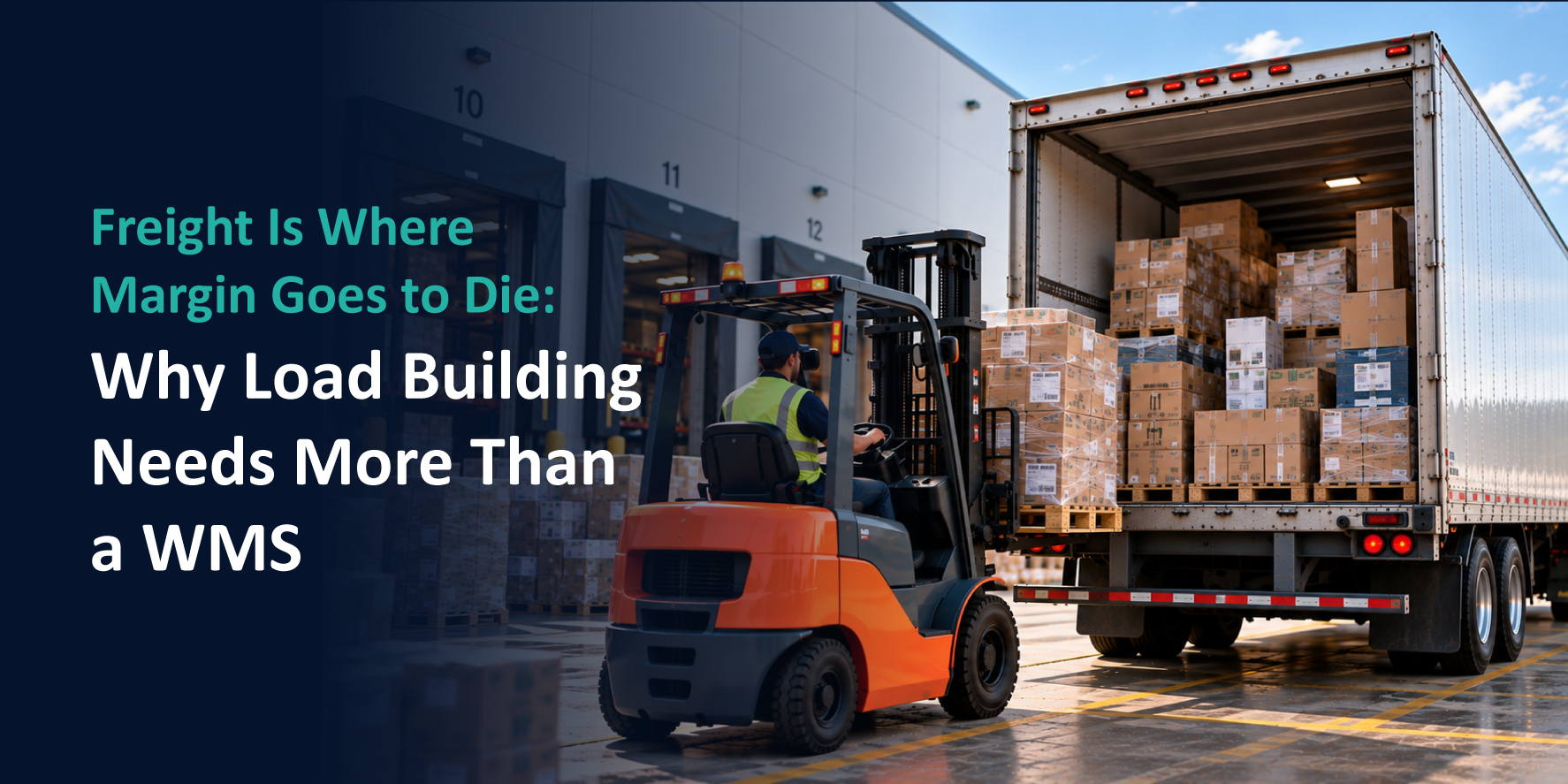

By the time a load leaves your dock, your WMS has already done its job. It knows what was picked, where it came from, and that it's now"shipped." What it doesn't know — because it was never built to know— is whether that load makes sense.
Did the pallets go on in an order that survives three temperature zones and six stops? Is the trailer within axle-weight limits, or is your driver one scale away from a fine? Does the order on the truck match the order of the stops, or is someone rebuilding pallets at 5 a.m. because the WMS handed off a pick list, not a load plan?
If you're a director of logistics or transportation at a food distributor, you already know the answer. You're not measured on whether inventory moved through the warehouse correctly. You're measured on what happens after it leaves: on-time-in-full delivery, freight cost per case,driver turnover, DOT compliance. And most of the WMS platforms running food distribution warehouses today, however good they are at warehouse execution,stop short of the one decision that determines whether your transportation numbers hit target: how the load itself gets built.
Platforms like Manhattan, Blue Yonder, and Oracle's WMS modules are genuinely good at what they're built for: directing pickers, tracking inventory, managing work inside four walls. That's warehouse management, and it matters.
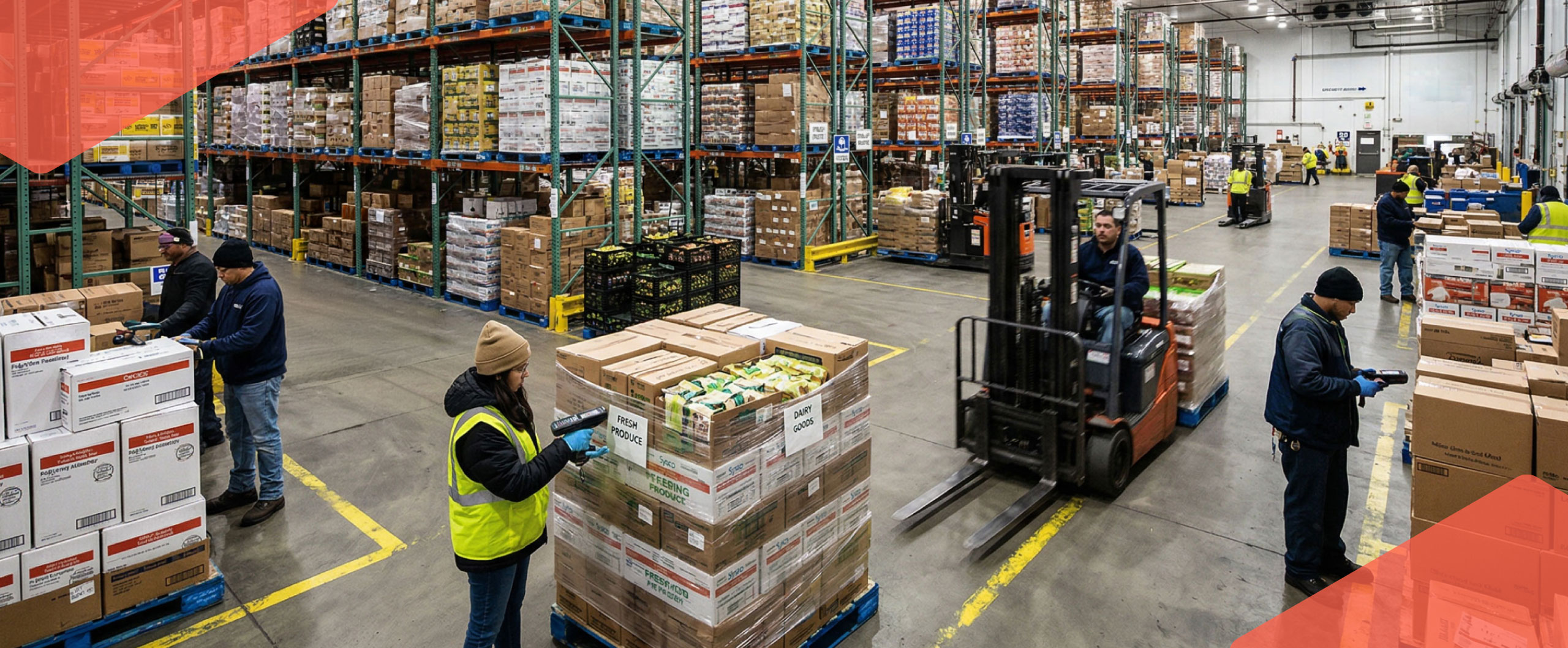
But building a load is a different problem. It means sequencing pallets so the first stop isn't buried under the last, keeping frozen, cooler, and ambient product correctly zoned on the same trailer, balancing weight across axles so the truck is legal at the scale, and doing all of it within cube and weight limits that change by trailer and by route. That's not a warehouse task — it's a transportation-engineering problem, and a general-purpose WMS treats it as an afterthought: a report generated after the fact, not a plan built in advance.
So the gap gets filled by people. Supervisors eyeballing pallet stacks. Dispatchers cross-checking stop sheets against what actually got loaded. Drivers finding out at the drop-off that the load doesn't match the route.
None of this shows up as one dramatic failure. It shows up as a slow leak across every KPI a logistics director owns:
Individually, each of these reads as a shift-level annoyance. Add them up across a fleet and a quarter, and it's real money — the kind that never shows up on a P&L line called "load building," because there isn't one. It just shows up as freight cost that's higher than it should be.
Closing the gap without replacing what already works
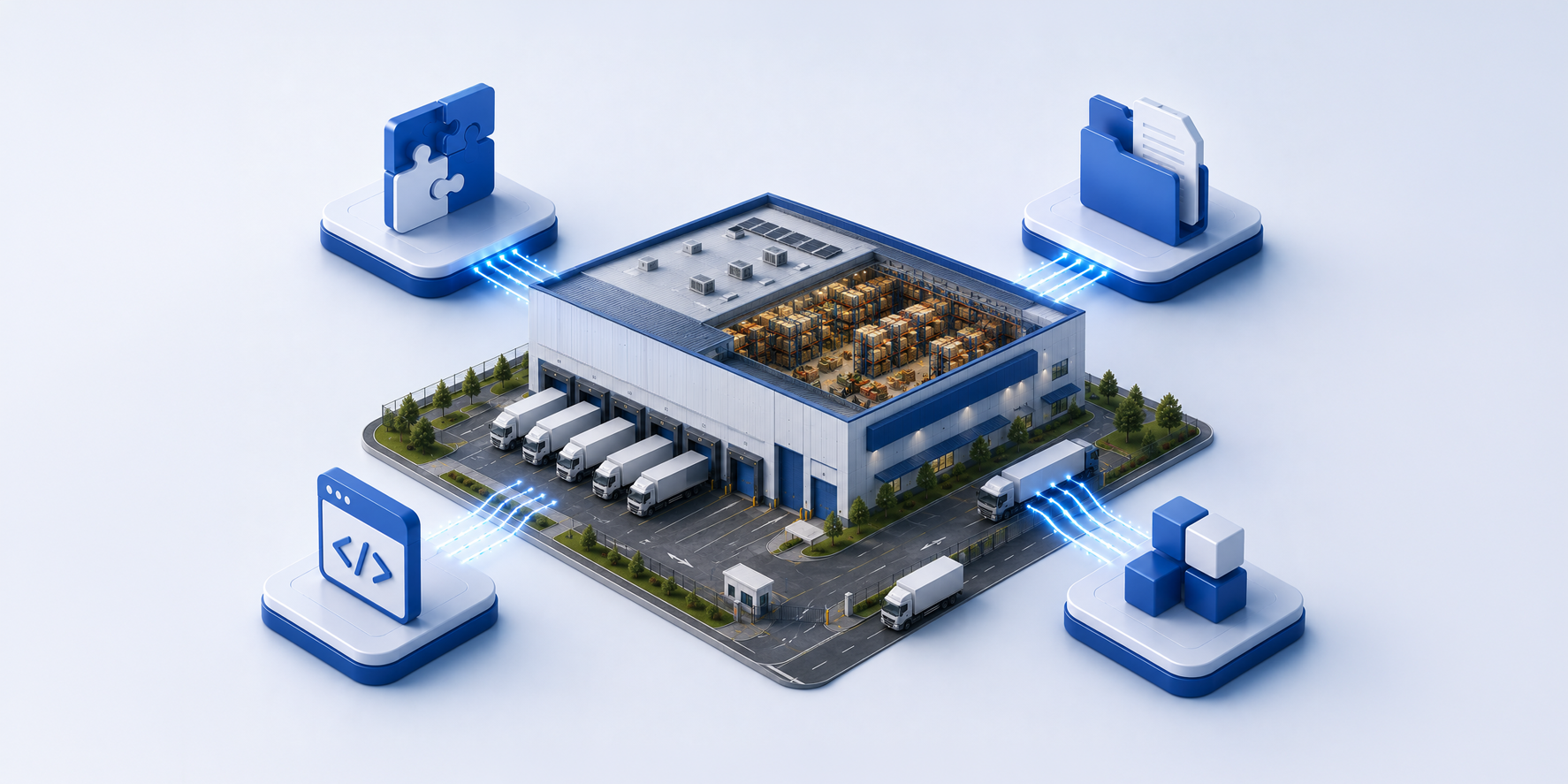
The fix isn't replacing your WMS. It's adding the one job your WMS was never built to do: building the load. BFC's LoadPlanner and LoadBuilder provide:
You don't need a full platform evaluation to find out whether this gap is costing you money. Ask your team:
If those answers are uncomfortable, the gap isn't hypothetical — it's already on your freight bill. Load building is a transportation problem, and it deserves a transportation-grade solution, not a warehouse system's best guess.









.png)


