
I recently spoke with owners, COOs, warehouse and transportation leaders, and finance teams in food distribution about a familiar set of problems. Drivers spent too long hunting for product at the stop. Warehouse managers chased mispicks and shorts. Transportation teams fought to keep good drivers. And on the P&L, margins kept getting thinner. These problems seemed separate, but they usually traced back to a handful of hidden bottlenecks inside the four walls of the warehouse. Here is where I suggested looking first.
Distribution margins are under real pressure. According to the 2026 IFDA Operations & Financial Performance Report, surveyed distributors earned an average net profit before taxes of 1.8% of sales in 2025, down 1.1 points from 2024. Looking ahead to 2026, 32% of respondents expected profits to fall, and none expected a significant increase. The same report showed about 42 cents of every gross margin dollar went to delivery and the warehouse, 26 cents to delivery and 16 cents to the warehouse. To push that 2% toward 3% or 4%, operations is where to look.
The math on a sample distributor. We looked at a $200M distributor running about 50 trucks and moving 11,000 cases a night. When we compared the IFDA benchmark to our average customer, we found roughly $1M in savings: about $55K in receiving and put away, $67K in load planning, $500 to $600K in selector speed, $400K in selector accuracy, $50K in loading, and $160K in driver stop time.
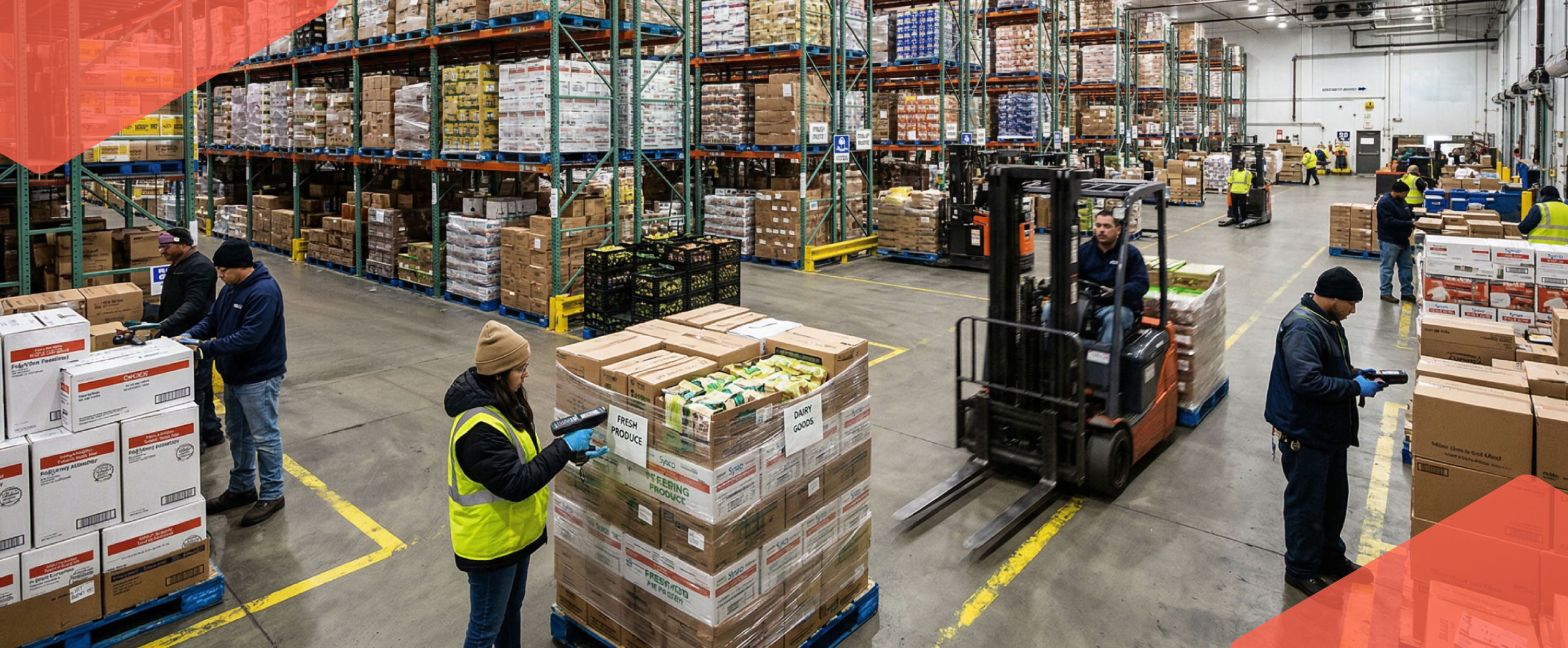
Where a problem breaks is rarely where it shows up. A missing UPC at receiving became a mispick at selection and a short at the customer’s door. The person who felt the pain often can't fix it, so I encourage working backwards and reviewing these five areas.
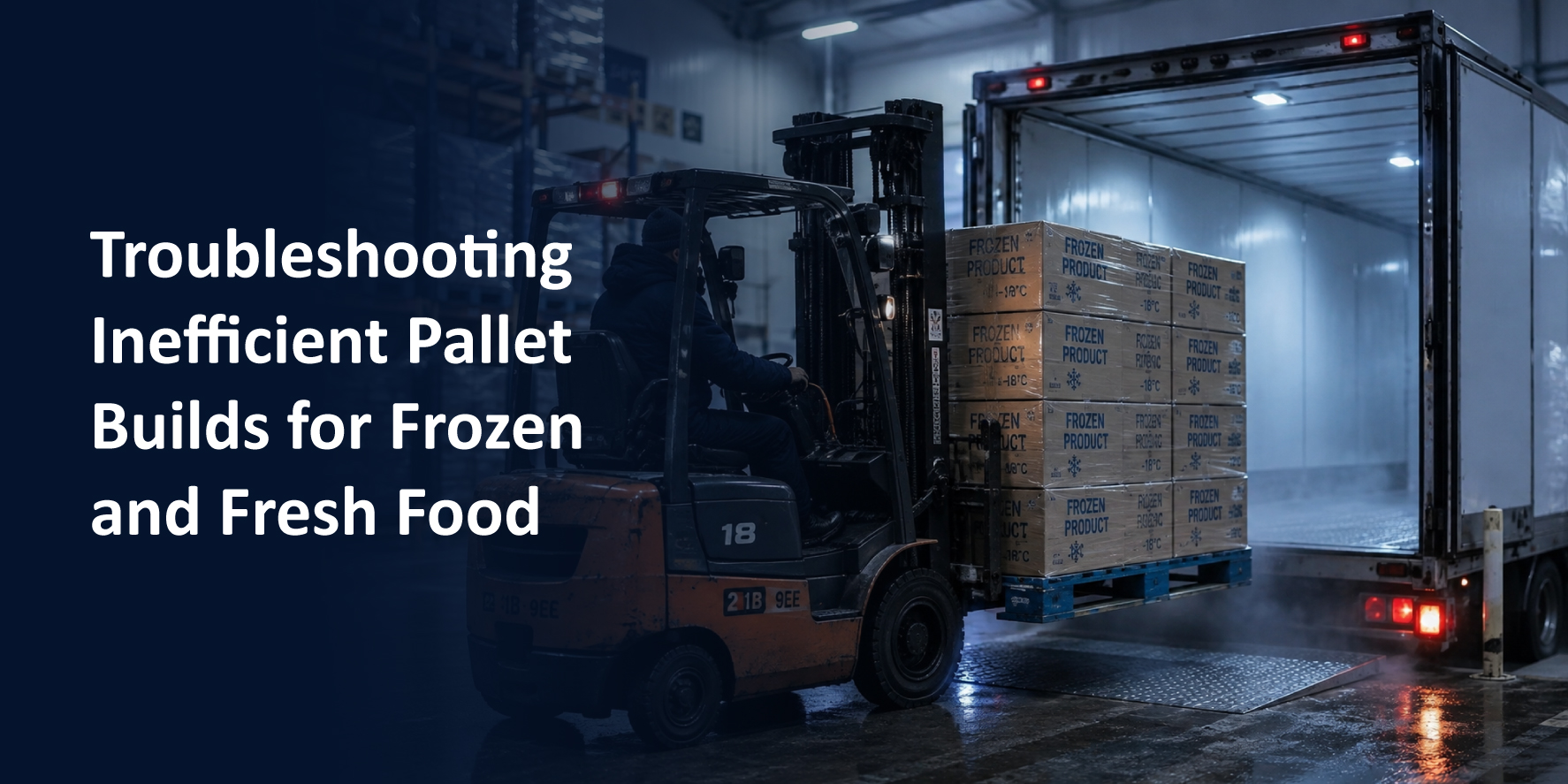
1. Receiving and put away. Look at space, super POs, dock scheduling, UPC capture, and how forklift drivers decide where to go.
2. Replenishment. Track what percentage of replenishment tasks get done each day, since it correlates strongly with outbound productivity. At 20 to 40%, a team is too low. 60 to 80% is a healthy range. I also advise prioritizing by impact on the shift, not just the order tasks.
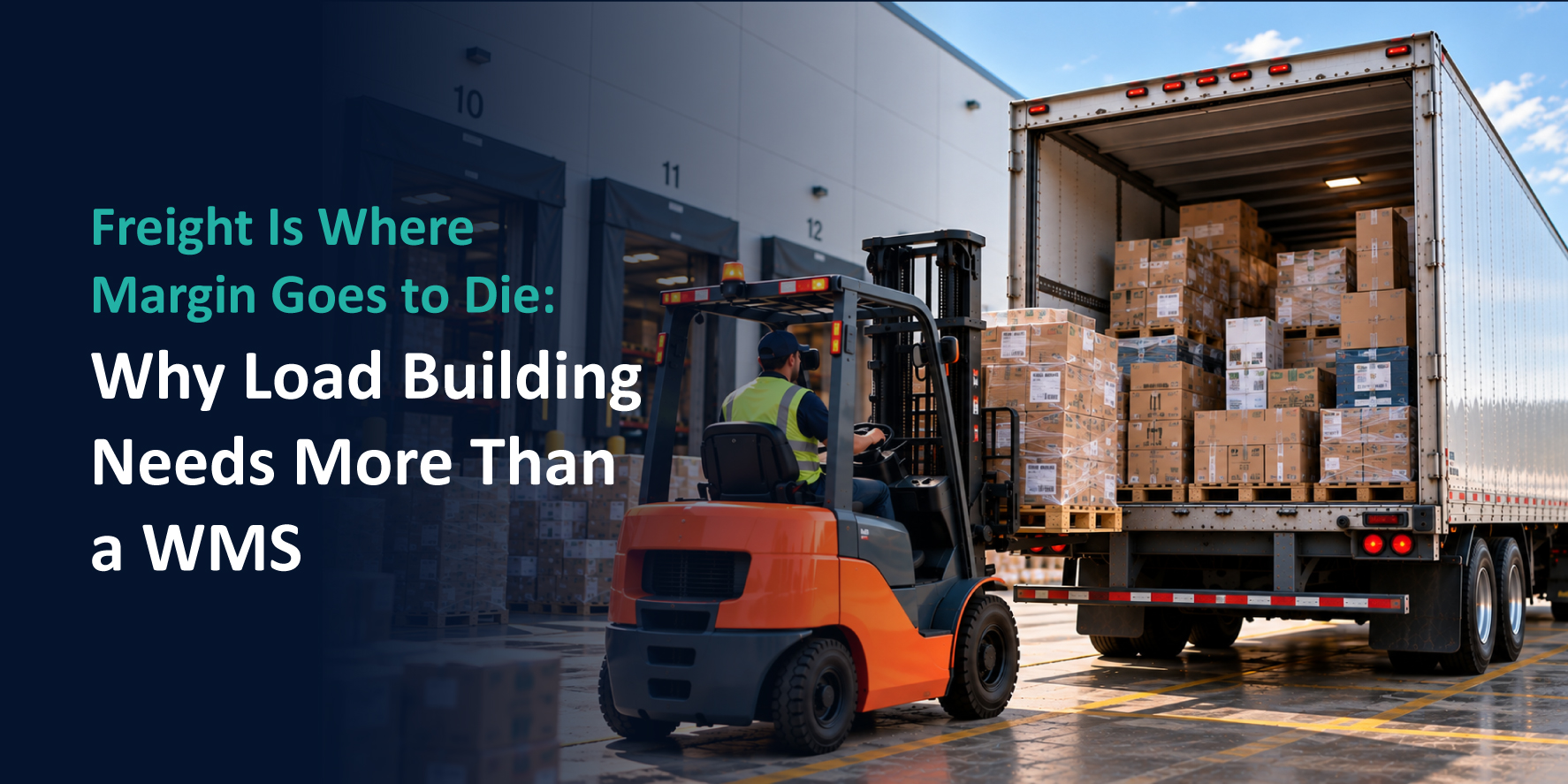
3. Load planning. If building a route takes more than two to three minutes, ask why. Can the system handle more than three zones? Can planners move a whole stop at once? We often cut build times from ten or fifteen minutes to one or two.
4. Selection. Check slotting. Is product sitting dead in a prime slot, or is seasonal product like turkeys in the wrong place? Consistent pallet naming (A always front, B always back) reduces wrong pallet errors. Errors get expensive fast. Also worth doing is flagging idle time, which may reach 15 to 20% when selectors wait on labels, and don’t forget the bottom quartile of selectors when planning training.
5. Loading and the driver stop. Note that needing auditors, rebuilding pallets, or merging pallets at the dock all signal a problem upstream. When drivers spend more than 30 to 40 minutes at a stop, or complain about hunting for product, which points back to the load build. One client cut driver turnover from about 30% to low single digits after improving theirs.
A purpose-built WMS helps new hires get productive faster, protects against depending on one or two people’s knowledge, frees up space for new SKUs, and opens the door to larger chain customers. Every short is a sale that can't be won back.
Whether you run on pen and paper, an ERP, or a specialized WMS, my hope is that you take two or three ideas back to your own operation. If you’d like our benchmark spreadsheet to plug in your own numbers, or want us to run a proof of concept against your current load build, reach out. We live and breathe this and would love to help.